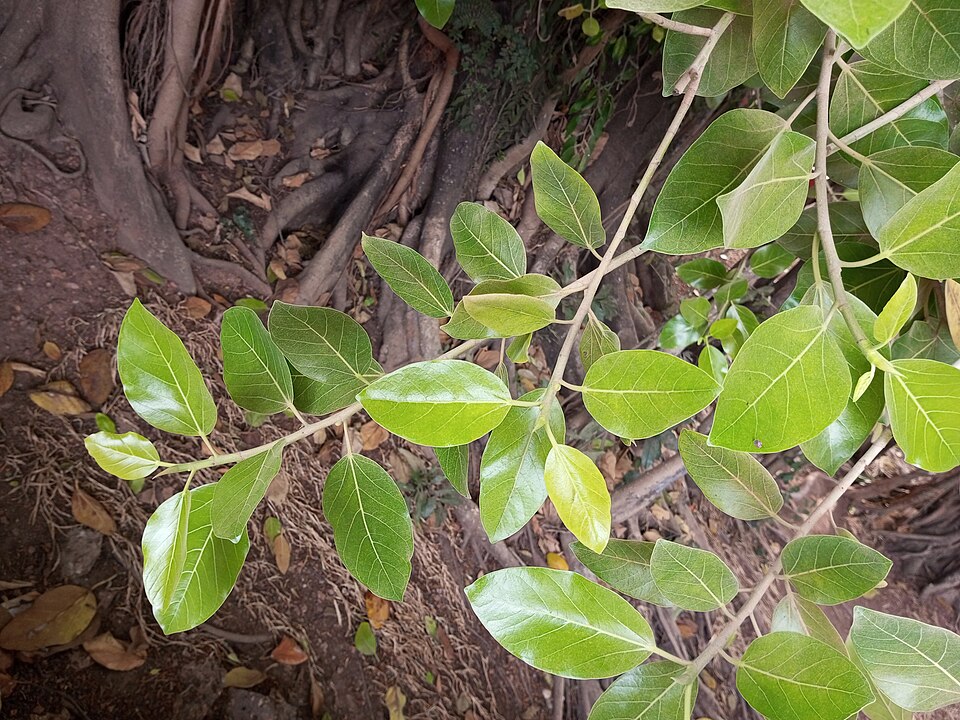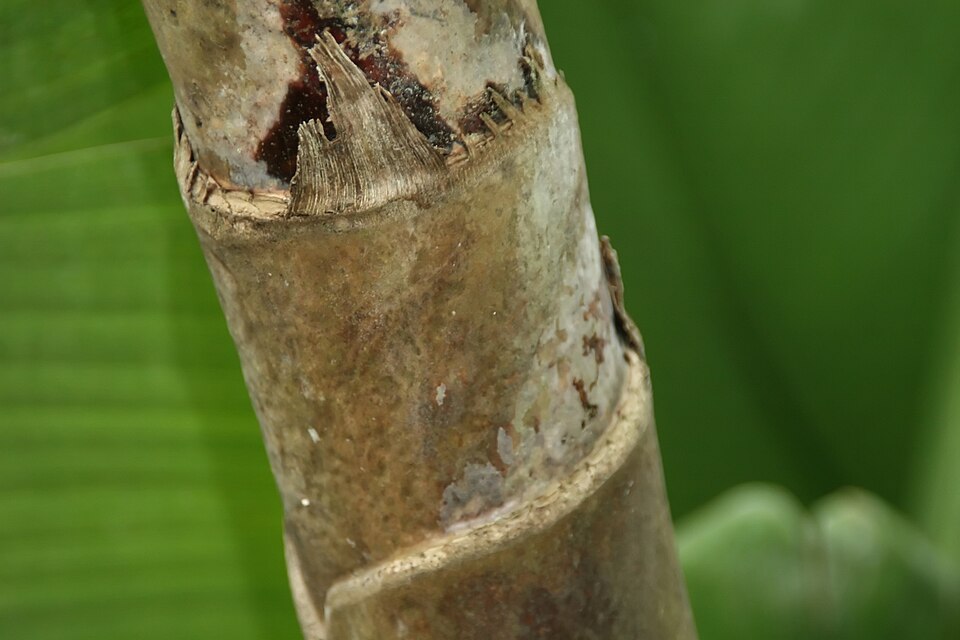
 Licensed identification photograph
Plant Guide
Rubber Plant
Ficus elastica
Other known names: Rubber tree · Indian rubber tree
A woody tropical fig with large, glossy leaves. It prefers stable conditions and may shed leaves after abrupt changes in light, temperature, or moisture.
Published source-backed guide. This guide meets Lorekeeper's published source, care-completeness, safety, and identity checks. It is source-backed, not an expert-review claim.
Toxic. Latex sap can irritate skin and the plant is unsafe for pets to chew.
Care
- Light
- Bright indirect light with acclimated gentle direct sun.
- Water
- Water after the upper portion of the mix dries, then empty excess drainage.
- Growing medium
- A rich but fast-draining container mix.
- Feeding
- Feed conservatively during active growth.
- Temperature
- 60-85 F; protect from chilling and rapid drafts.
- Humidity
- Average household humidity.
- When to consider watering
- Use upper-zone dryness and pot weight, adjusted for light and season.
- Watering method
- Water evenly and discard drainage. Let the upper portion dry before the next check.
- Repotting
- Repot only when the root system warrants it; a heavy stable container helps tall plants.
- Pruning
- Prune above a node to manage height. Protect surfaces and skin from latex sap.
- Beginner note
- Sudden leaf drop often follows a change. Review light, temperature, drafts, and moisture before making several changes at once.
Observe the plant and growing medium before acting. A reminder is a prompt to check, not an automatic instruction to water.
Characteristics
A woody tropical fig with large, glossy leaves. It prefers stable conditions and may shed leaves after abrupt changes in light, temperature, or moisture.
Names & botanical identity
- Accepted name
- Ficus elastica
- Plant family
- Moraceae
- Plant group
- Indoor Trees
- Other known names
- Rubber tree · Indian rubber tree
- Safety
- Toxic
Latex sap can irritate skin and the plant is unsafe for pets to chew.
Growth
- Growth habit
- A large evergreen tree kept smaller in containers.
- Mature size
- 6–10 ft indoors
- Native range
- South and Southeast Asia.
- Temperature
- 60-85 F; protect from chilling and rapid drafts.
- Humidity
- Average household humidity.
- Difficulty
- Easy
Propagation
Air layering is useful for large stems; stem cuttings also work in warm, humid conditions.
When you add a propagation to Lorekeeper, connect it to the mother plant so its history and lineage remain intact.
Problems to recognize
These links describe possible or look-alike relationships, not a diagnosis. Start with visible evidence and rule out alternatives.
- Excess moisture / root stress: Abrupt leaf loss can accompany root-zone stress; check moisture and roots.
- Spider mites: Large leaf undersides should be inspected for stippling and mites.
- Excess light / sunburn: Unacclimated foliage can scorch after rapid exposure.
- Mealybugs: Stem joints and protected areas can conceal mealybugs.
History & lineage
Ficus elastica is a tropical Asian fig historically associated with latex production and later widely cultivated as a glossy-leaved indoor tree.
Add this guide to My Plants to preserve acquisition notes, parent plants, propagations, photographs, and future name changes in one living record.
Keep the useful part
Save Rubber Plant to your garden.
Carry this guide into a private plant record, then add your own photographs, care, journal entries, and lineage over time.
Keep exploring