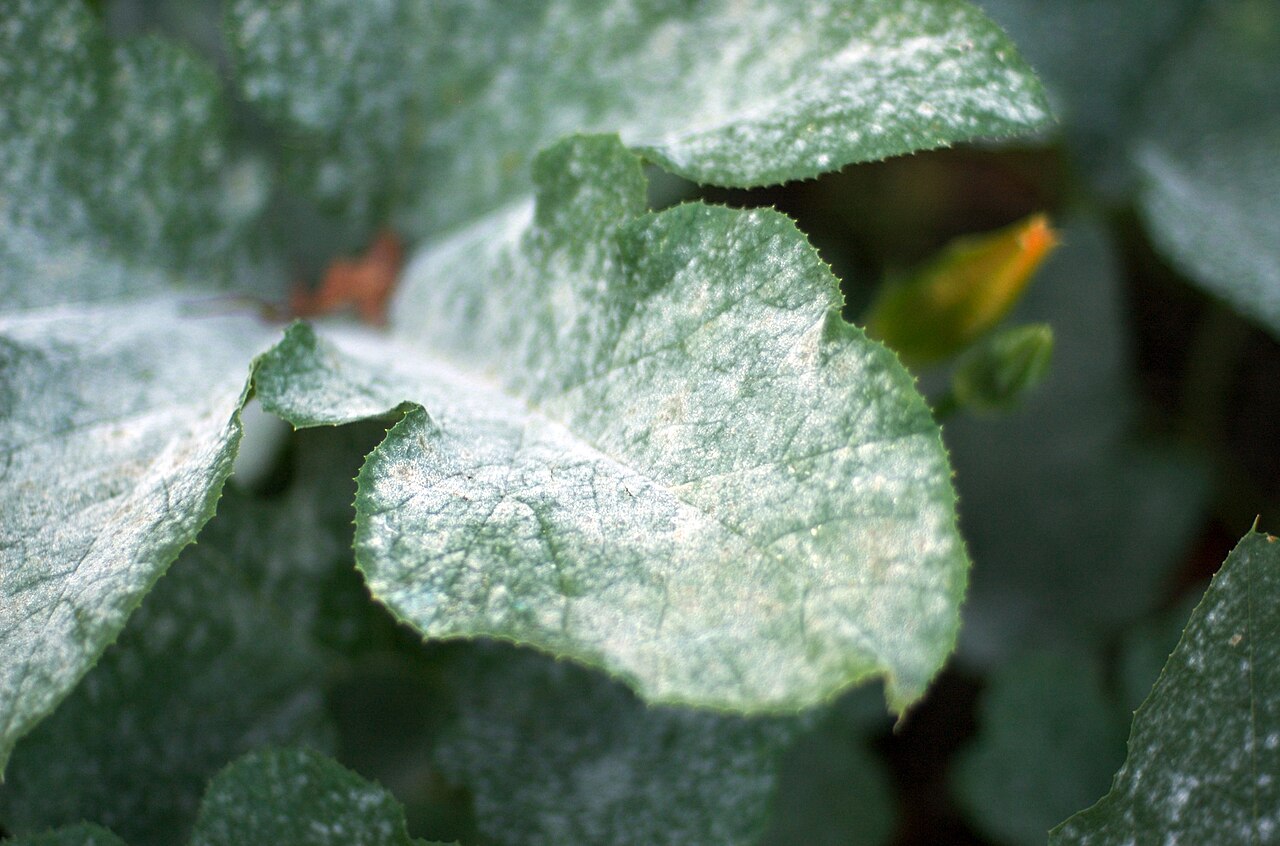
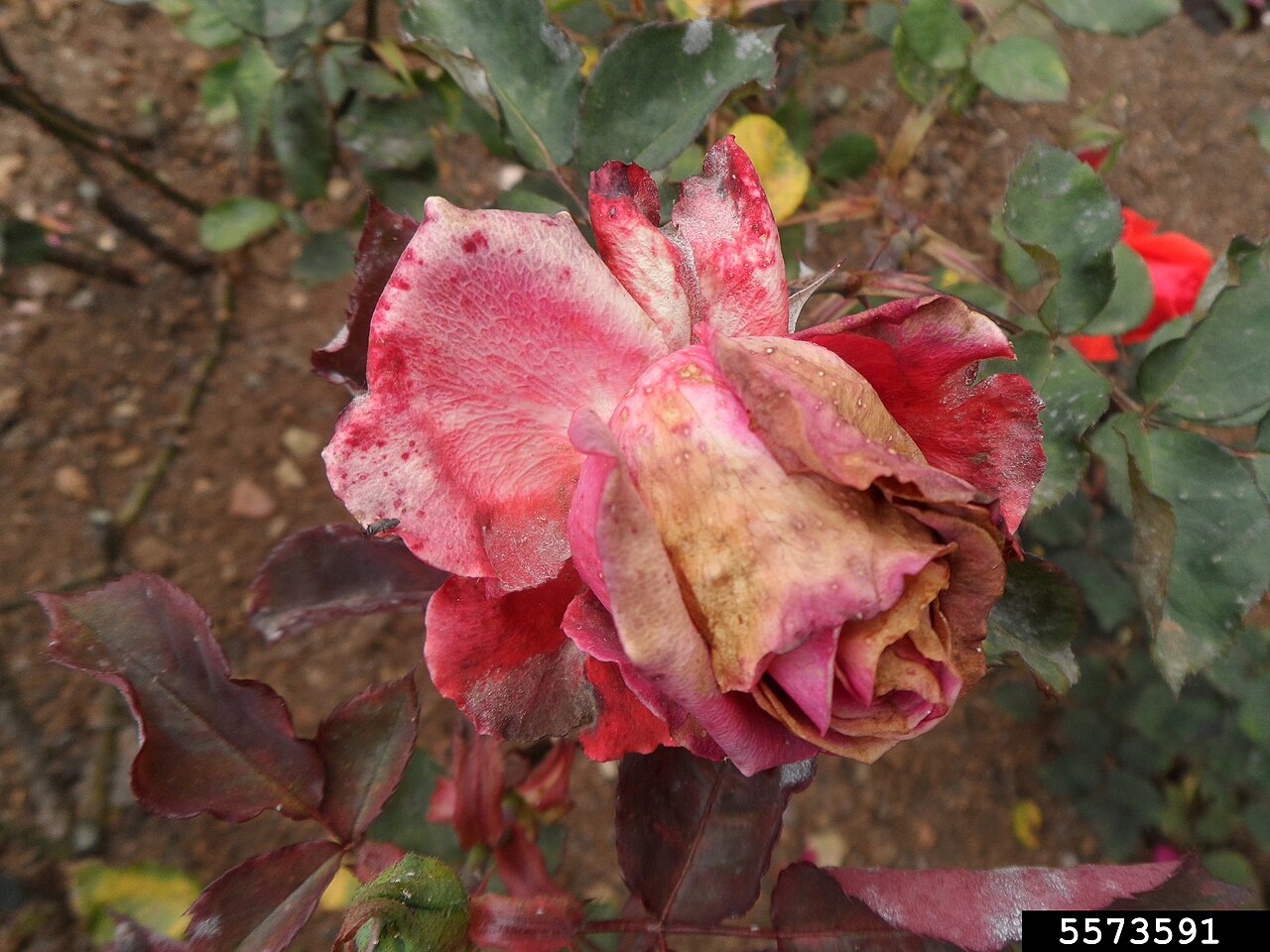
 Reference photo — compare gray mold on damaged flower tissue
Fungal & Oomycete · Plant health field guide
Botrytis / gray mold
Botrytis commonly affects damaged or aging tissue in cool, damp conditions.
Act soonPossible cause—not a diagnosis. Compare the visible signs, plant identity, and growing conditions before treating.
Signs you may notice
- gray fuzzy growth
- soft spots
- flower blight
Safe first checks
- Isolate affected material and inspect for gray spores while reducing prolonged leaf wetness.
- Separate the plant if the problem may spread.
- Remove only badly affected material with clean tools.
- Improve airflow and keep affected foliage dry while you compare the signs.
Can look similar to
Overlapping symptoms are common. Compare these alternatives before choosing a treatment.
- bacterial soft rot
- ordinary decay
- powdery mildew
What to avoid
Do not assume every spot is infectious or use a disease-specific product without confirming the host and pattern.
Record and follow up
Photograph the same area in consistent light and note whether lesions enlarge, appear on new leaves, or stop after conditions improve.
Seek qualified local help when damage is severe, rapidly spreading, or may involve a regulated pest or disease.
Compare nearby possibilities