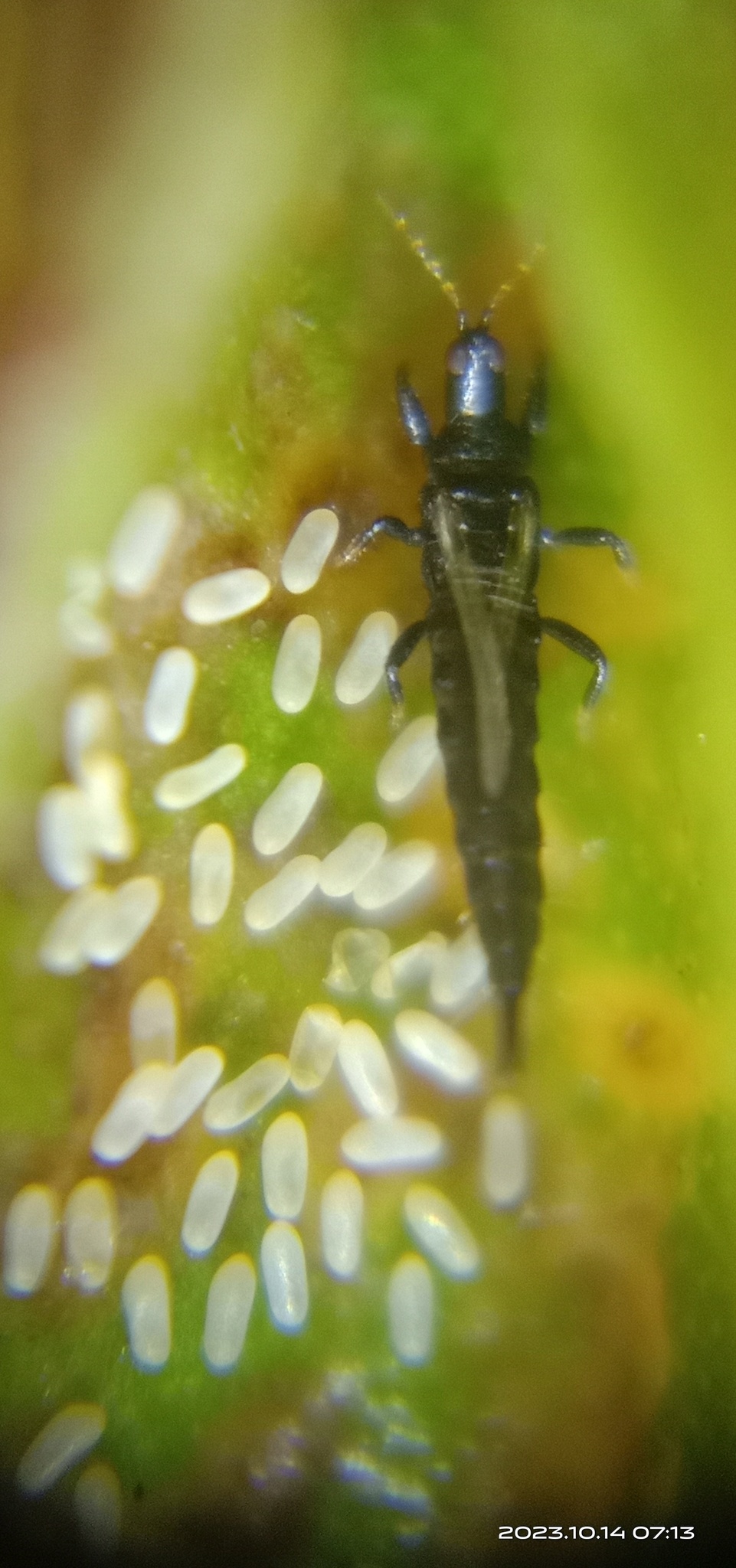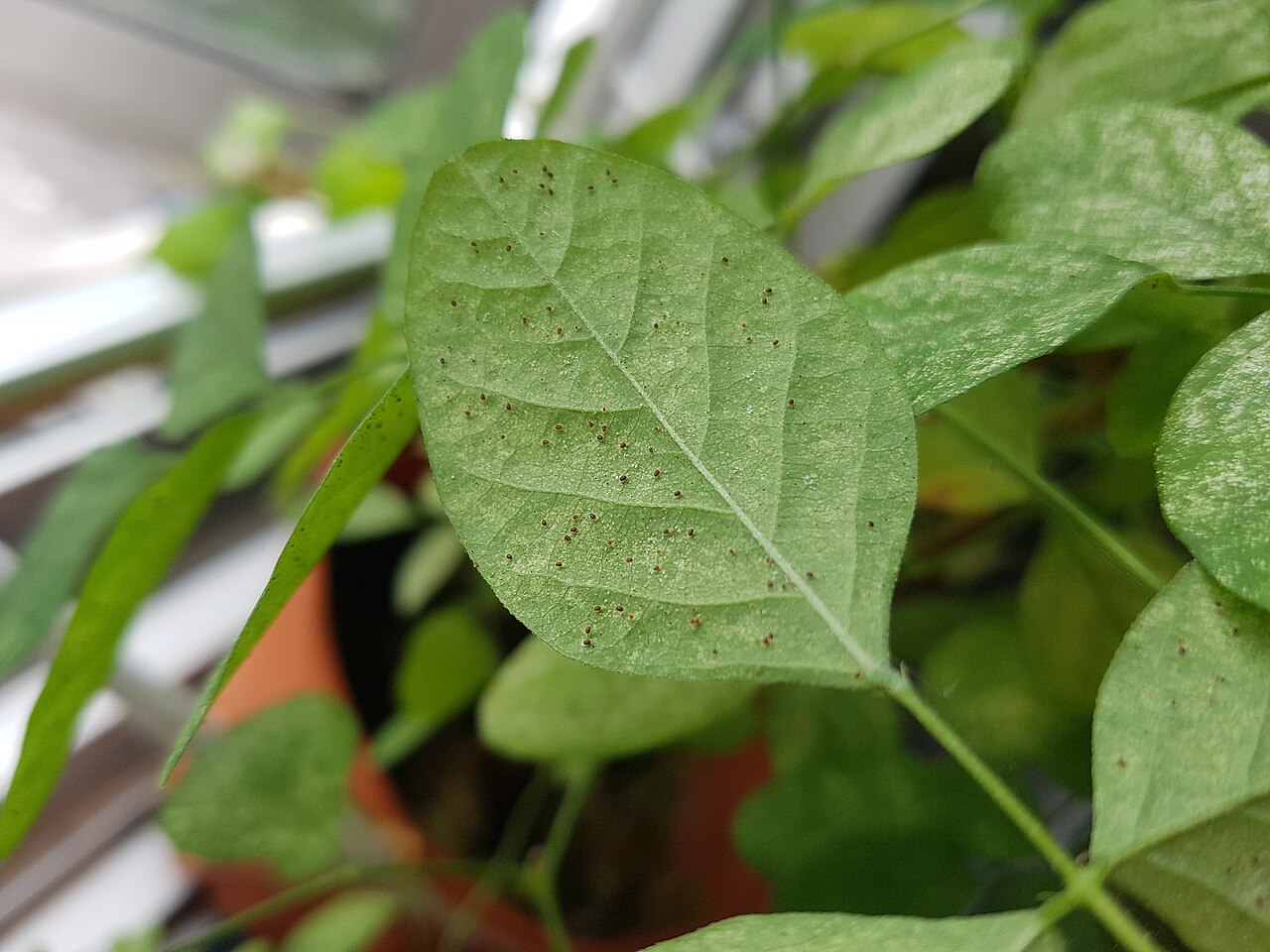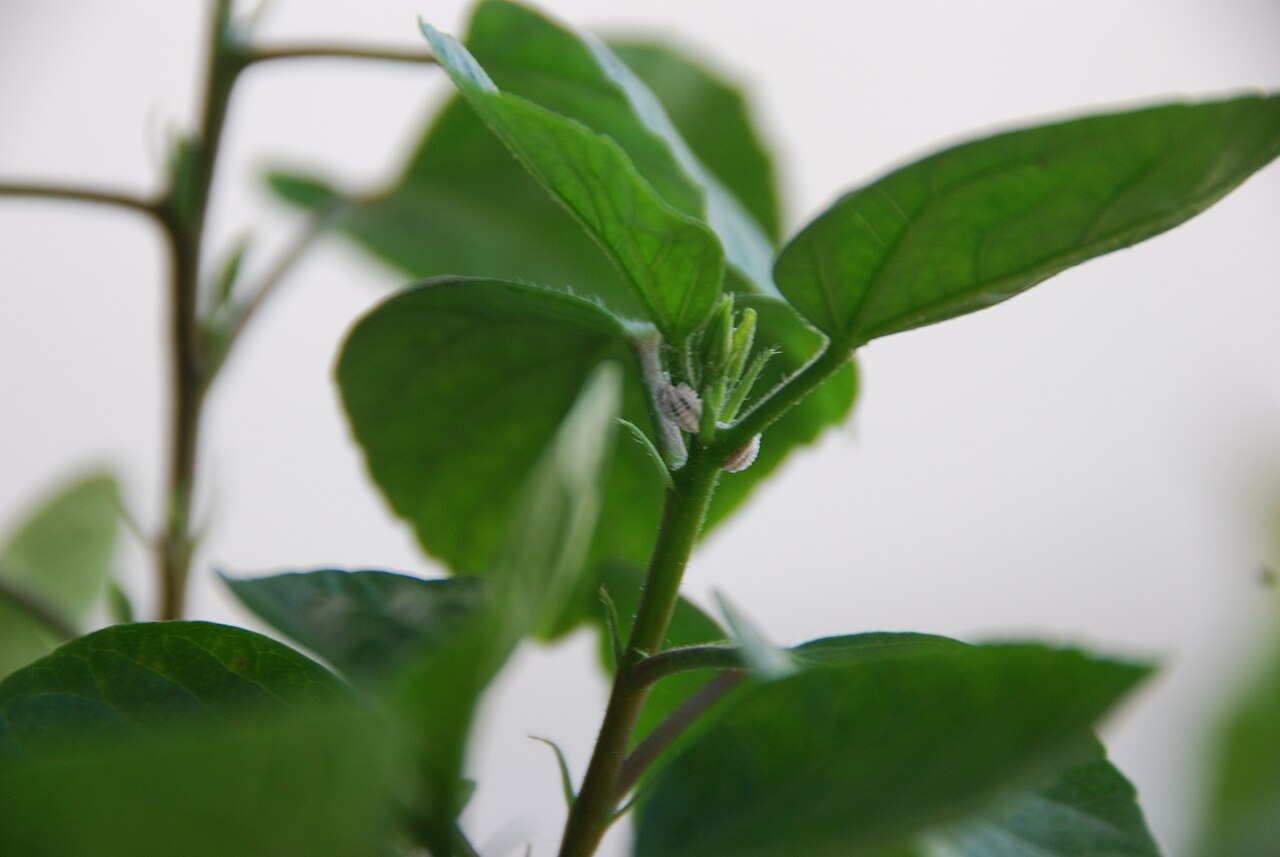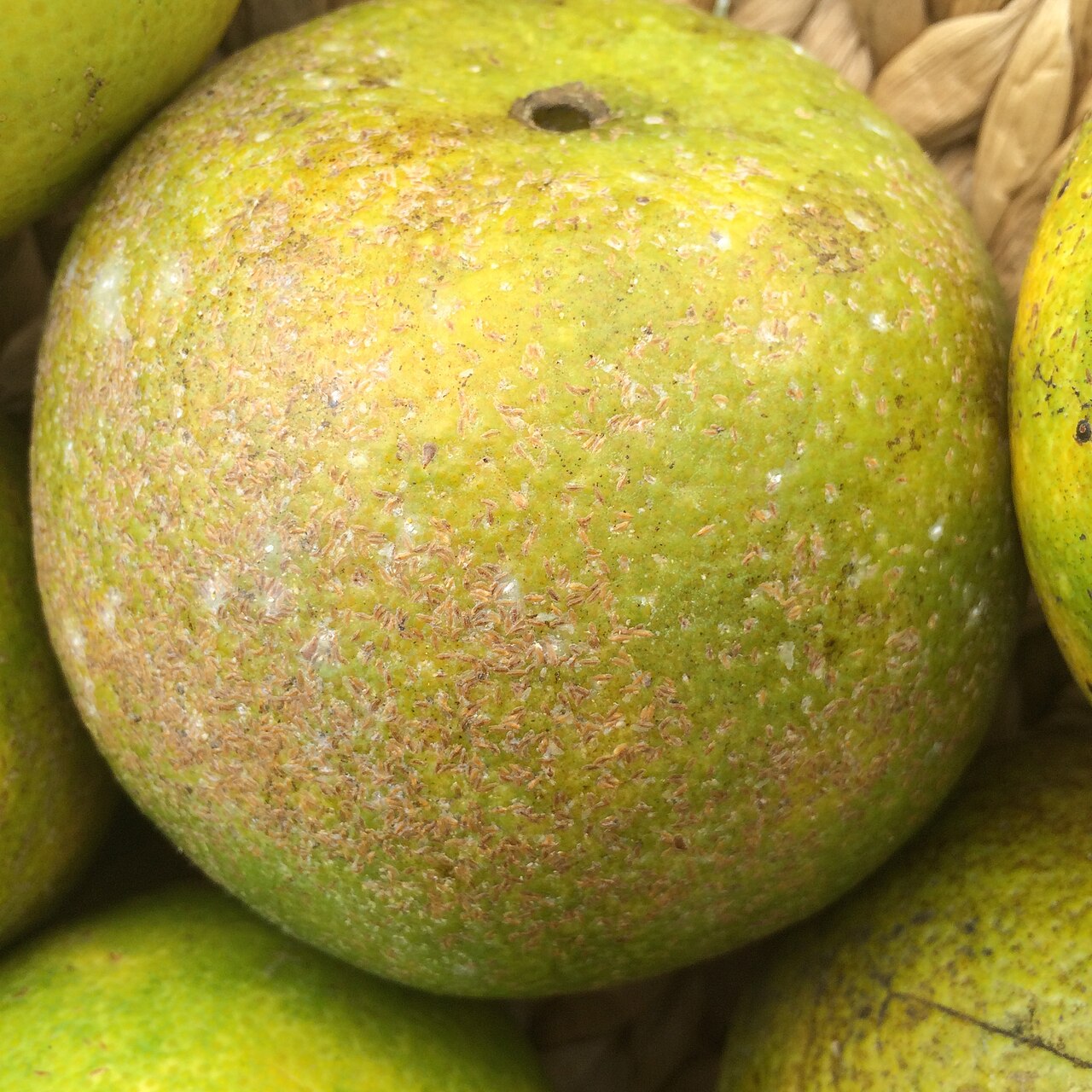
Problem-specific reference photo
under review
Problem-specific reference photo under reviewunder review
Pests · Plant health field guide
Possible broad mites
Broad mites are microscopic and can deform tender growth, but their symptoms overlap with thrips, herbicide exposure, and environmental stress.
Isolate nowPossible cause—not a diagnosis. Compare the visible signs, plant identity, and growing conditions before treating.
Signs you may notice
- distorted new growth
- bronzed tissue
- stalled tips
- tiny unseen pests
Safe first checks
- Isolate the plant and use strong magnification or expert confirmation before applying a mite-specific treatment.
- Move the plant away from the collection.
- Inspect both sides of leaves, stems, crevices, and the pot.
- Photograph the signs before cleaning so you can compare changes.
Can look similar to
Overlapping symptoms are common. Compare these alternatives before choosing a treatment.
- thrips
- spray damage
- viral pattern
What to avoid
Do not apply several pesticides at once or treat before confirming that a living pest is present.
Record and follow up
Reinspect the isolated plant and nearby plants every few days. Record living pests, new damage, and treatment response before deciding the problem is resolved.
Seek qualified local help when damage is severe, rapidly spreading, or may involve a regulated pest or disease.
Compare nearby possibilities