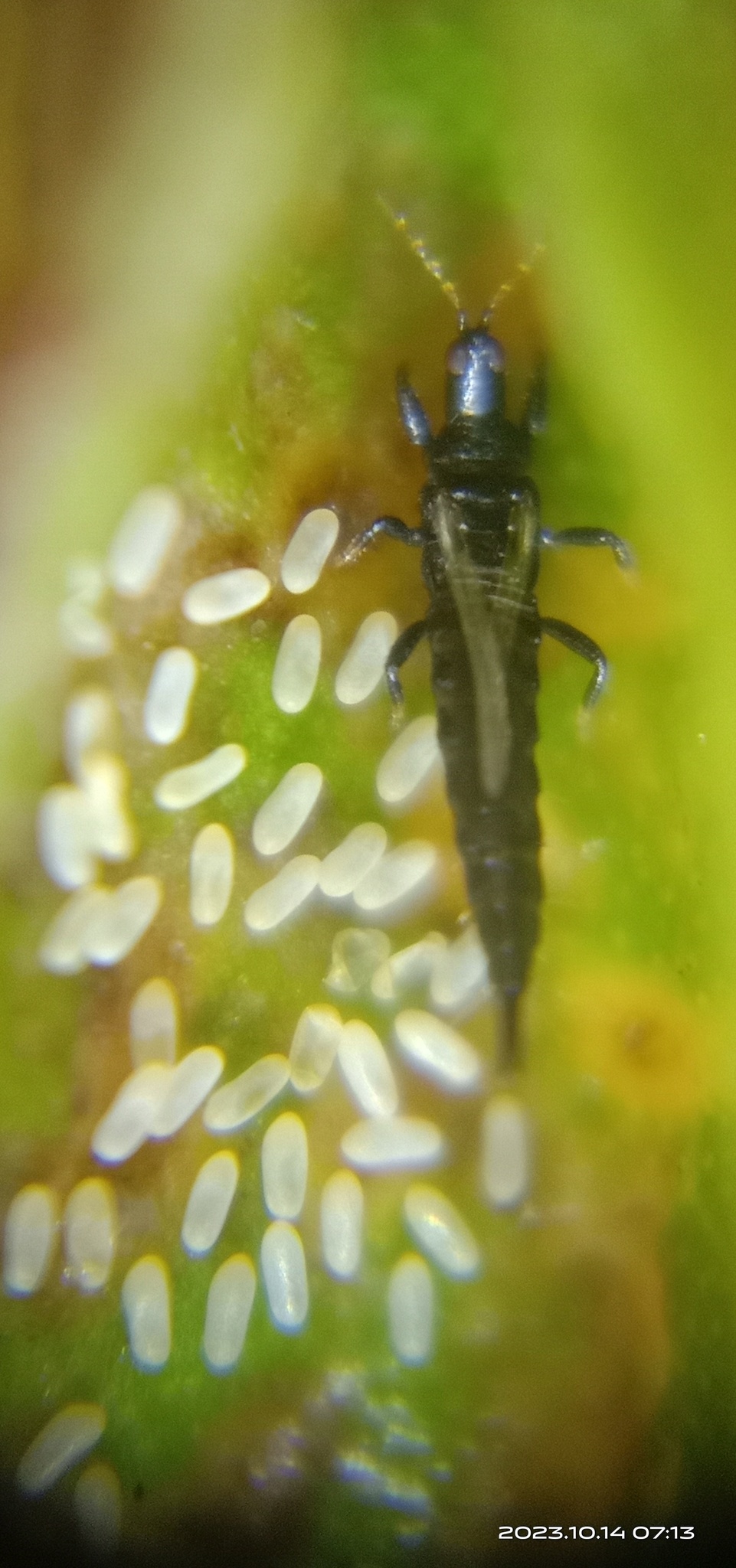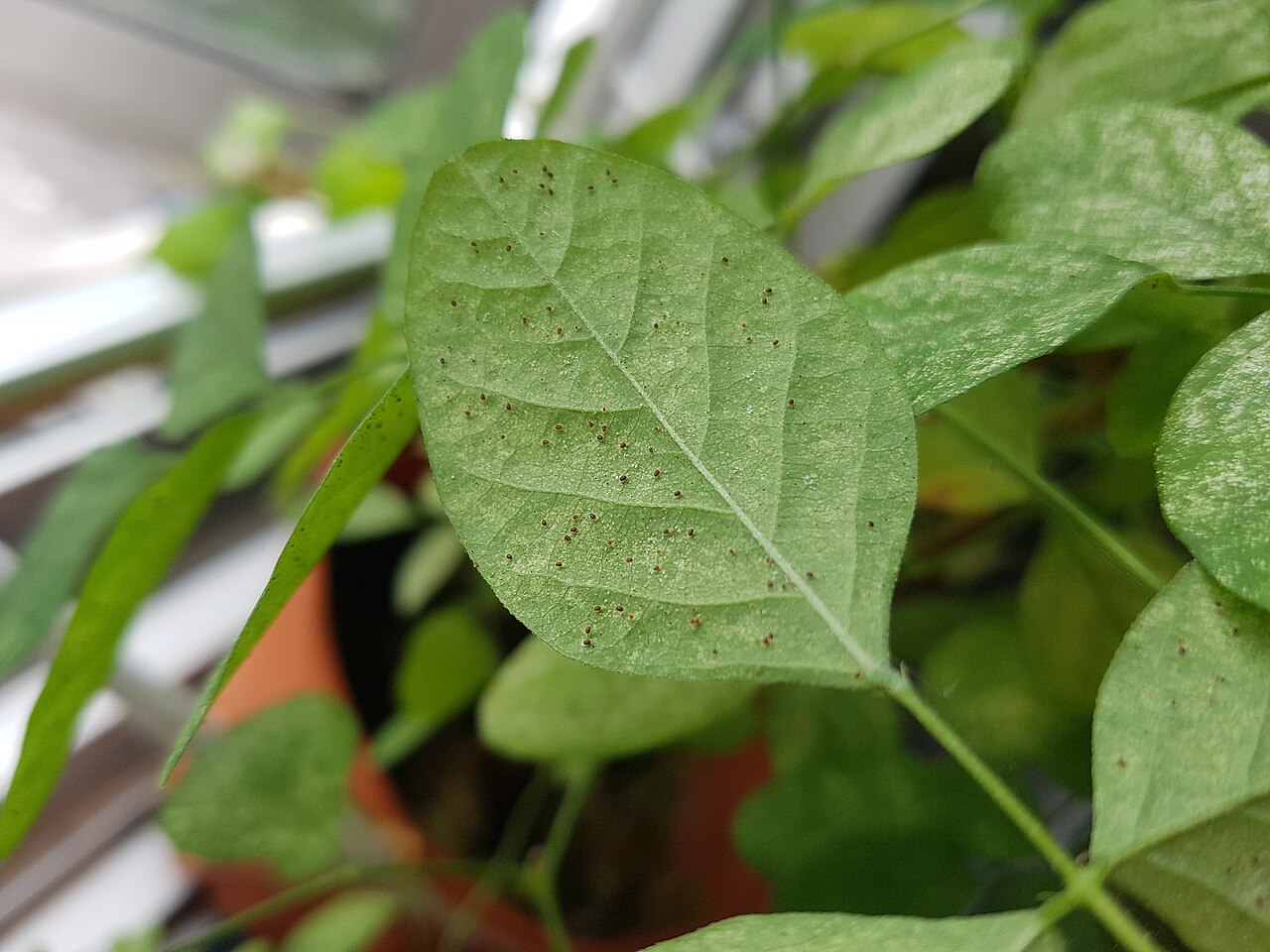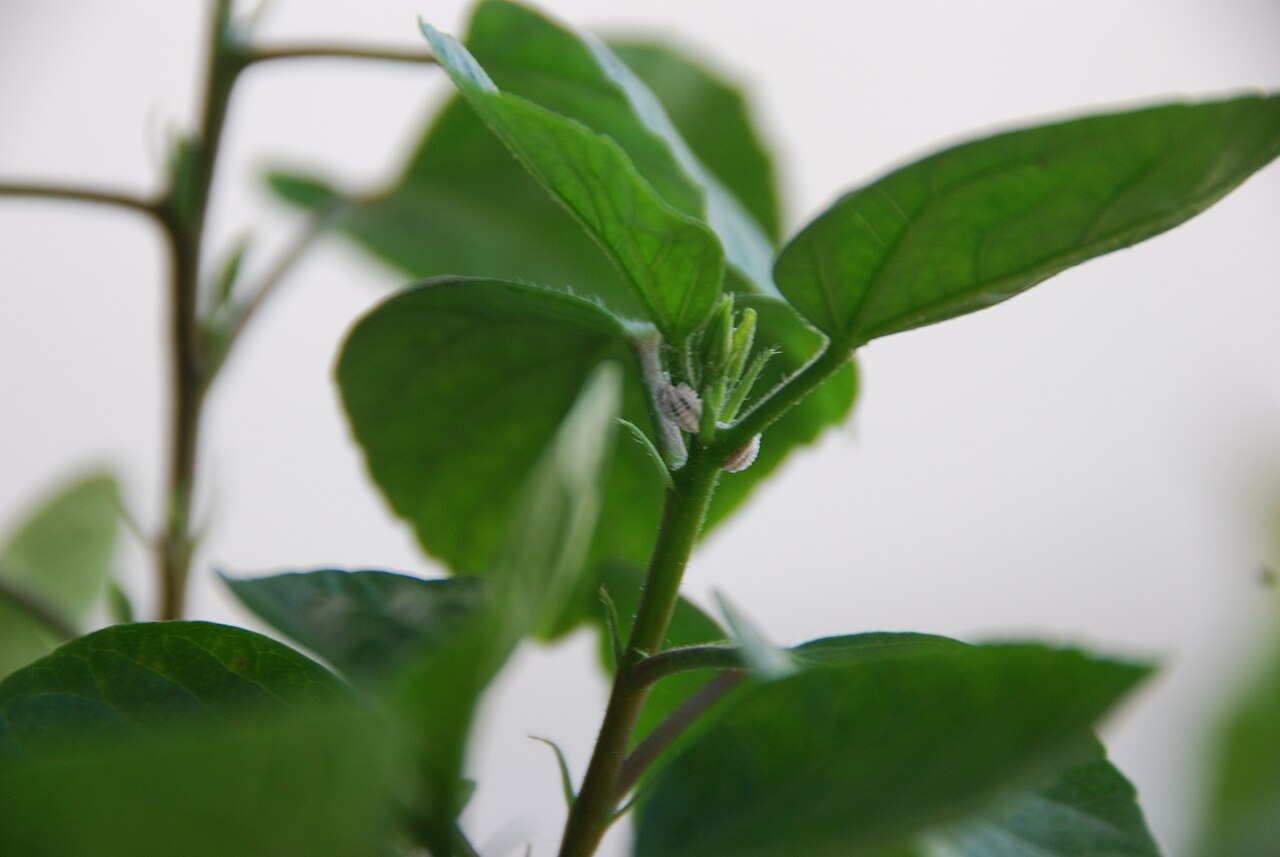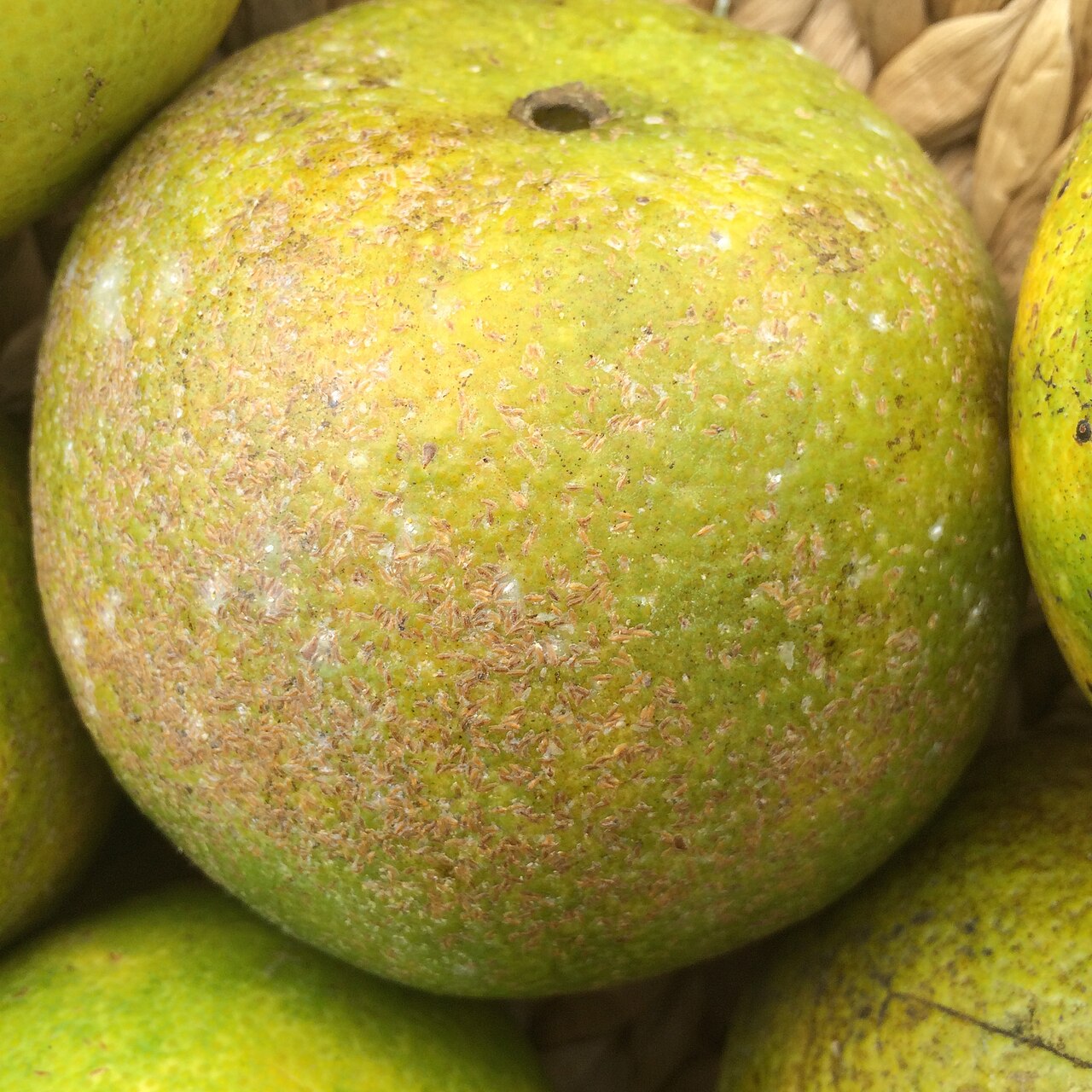
Problem-specific reference photo
under review
Problem-specific reference photo under reviewunder review
Pests · Plant health field guide
Caterpillar feeding
Moth or butterfly larvae can chew holes, skeletonize leaves, or hide in folded foliage.
Isolate nowPossible cause—not a diagnosis. Compare the visible signs, plant identity, and growing conditions before treating.
Signs you may notice
- chewed leaves
- missing tissue
- droppings
- rolled leaves
Safe first checks
- Inspect both leaf surfaces, rolled leaves, and stems for larvae and dark pellet-like droppings.
- Move the plant away from the collection.
- Inspect both sides of leaves, stems, crevices, and the pot.
- Photograph the signs before cleaning so you can compare changes.
Can look similar to
Overlapping symptoms are common. Compare these alternatives before choosing a treatment.
- slugs or snails
- beetle feeding
- mechanical damage
What to avoid
Do not apply several pesticides at once or treat before confirming that a living pest is present.
Record and follow up
Reinspect the isolated plant and nearby plants every few days. Record living pests, new damage, and treatment response before deciding the problem is resolved.
Seek qualified local help when damage is severe, rapidly spreading, or may involve a regulated pest or disease.
Compare nearby possibilities