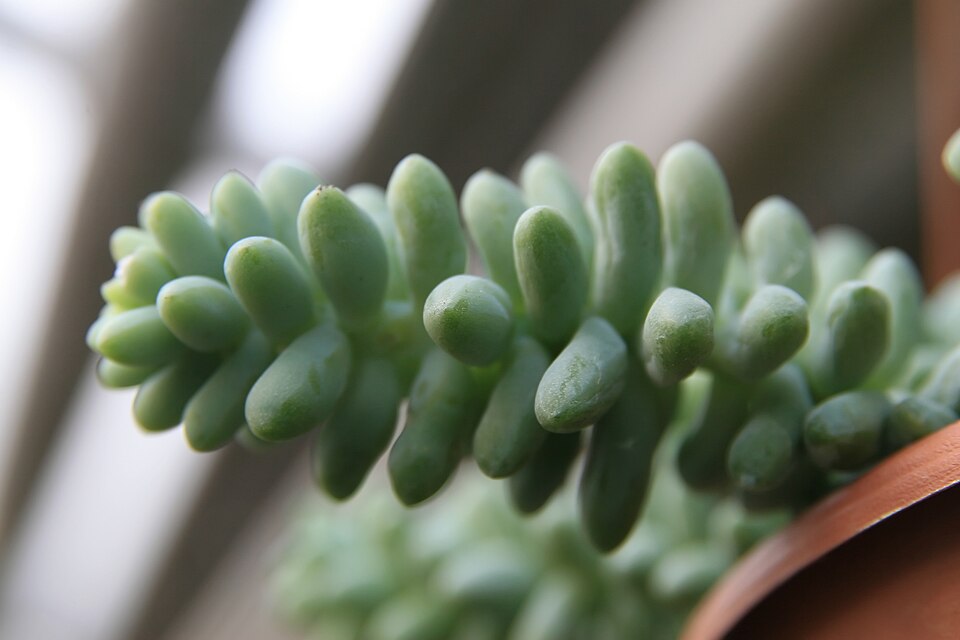
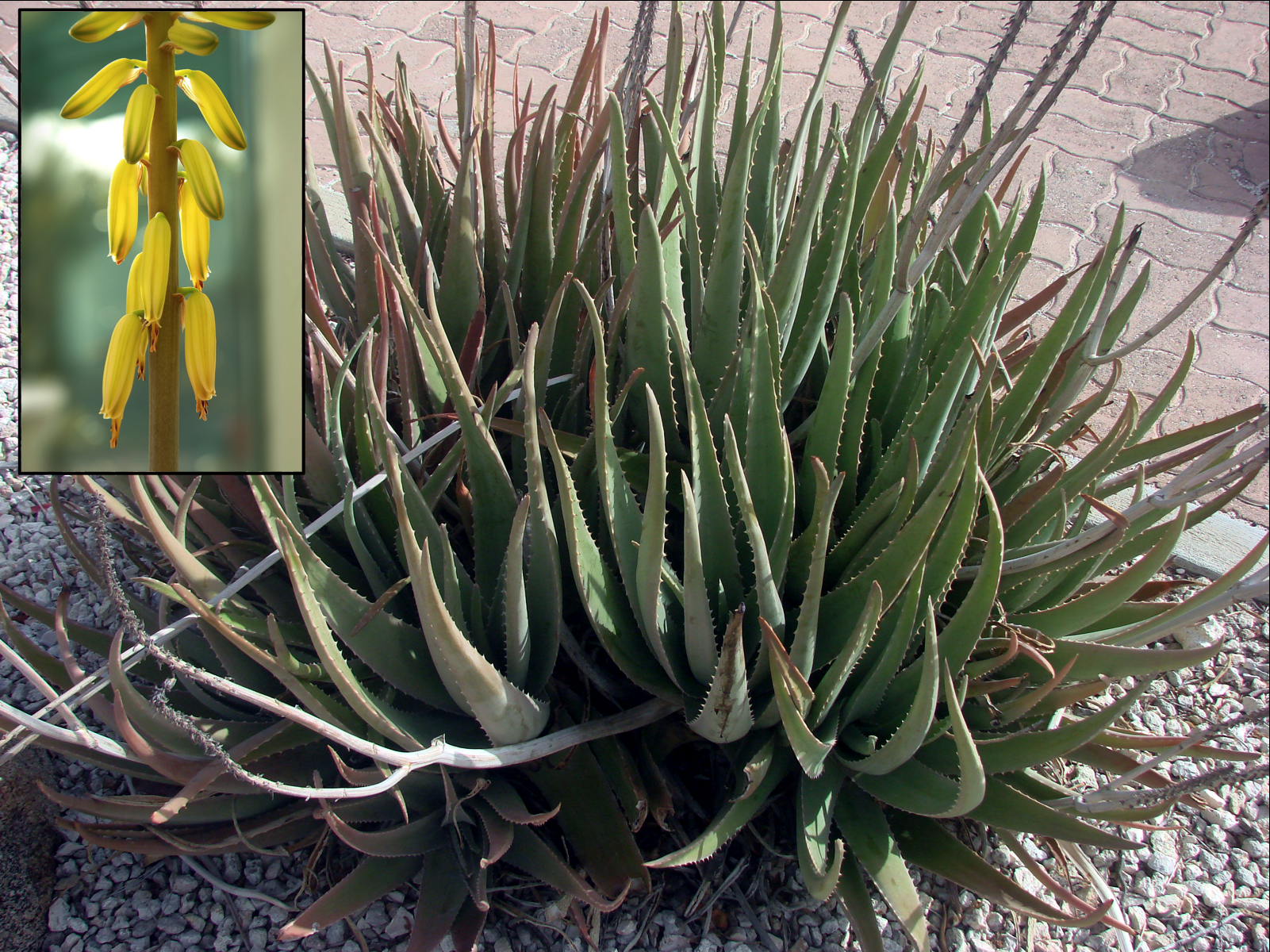
 Licensed representative photograph
Plant Guide
Aloe Vera
Aloe vera
Other known names: Burn Plant
A rosette-forming succulent with water-storing leaves that prefers bright light and a fast-draining root zone.
Published source-backed guide. This guide meets Lorekeeper's published source, care-completeness, safety, and identity checks. It is source-backed, not an expert-review claim.
Toxic. Sap and ingestion can be irritating; keep away from pets and children who may chew it.
Care
- Light
- Bright light with gradual acclimation to direct sun.
- Water
- Let most of the mix dry, then water thoroughly and drain.
- Growing medium
- A gritty, fast-draining succulent mix.
- Feeding
- Feed lightly during active growth.
- Temperature
- 55-85 F; protect from frost.
- Humidity
- Average to dry household humidity.
- When to consider watering
- Use root-zone dryness and pot weight; never water only because a date arrived.
- Watering method
- Let most of the mix dry, then water thoroughly and drain. Wet the root ball evenly and never leave drainage trapped in a cachepot.
- Repotting
- Repot only when roots, drainage, stability, or broken-down medium justify it; increase the pot size modestly.
- Pruning
- Remove damaged growth with clean tools and avoid unnecessary pruning during stress.
- Beginner note
- Treat reminders as prompts to observe. Record what you found, then complete, snooze, pause, or adjust the care item.
Observe the plant and growing medium before acting. A reminder is a prompt to check, not an automatic instruction to water.
Characteristics
A rosette-forming succulent with water-storing leaves that prefers bright light and a fast-draining root zone.
Names & botanical identity
- Accepted name
- Aloe vera
- Plant family
- Asphodelaceae
- Plant group
- Succulents
- Other known names
- Burn Plant
- Safety
- Toxic
Sap and ingestion can be irritating; keep away from pets and children who may chew it.
Growth
- Growth habit
- Clumping succulent rosettes.
- Mature size
- 1–2 ft tall × 1–2.5 ft wide indoors
- Native range
- Arabian Peninsula; widely cultivated.
- Temperature
- 55-85 F; protect from frost.
- Humidity
- Average to dry household humidity.
- Difficulty
- Beginner
Propagation
Separate offsets with roots.
When you add a propagation to Lorekeeper, connect it to the mother plant so its history and lineage remain intact.
Problems to recognize
These links describe possible or look-alike relationships, not a diagnosis. Start with visible evidence and rule out alternatives.
- Excess moisture / root stress: Succulent roots can be stressed by a mix that remains wet; inspect moisture and root firmness.
- Root rot syndrome: A soft crown or dark roots warrants root inspection before more watering.
- Mealybugs: Leaf bases can conceal waxy insects; confirm living pests.
History & lineage
Aloe vera has a long history of cultivation and trade. Lorekeeper keeps the accepted botanical name separate from product claims about aloe preparations.
Add this guide to My Plants to preserve acquisition notes, parent plants, propagations, photographs, and future name changes in one living record.
Keep the useful part
Save Aloe Vera to your garden.
Carry this guide into a private plant record, then add your own photographs, care, journal entries, and lineage over time.
Keep exploring