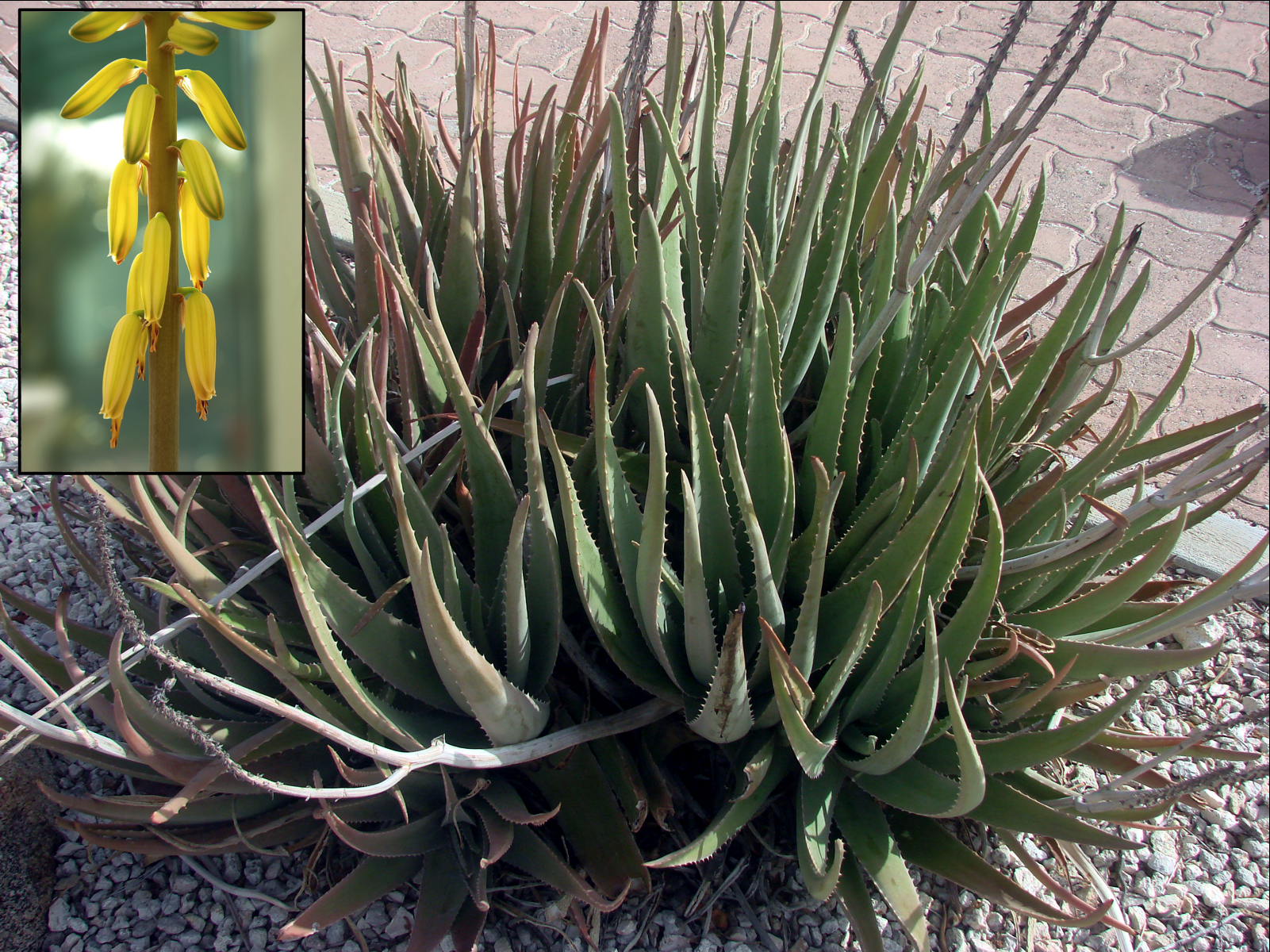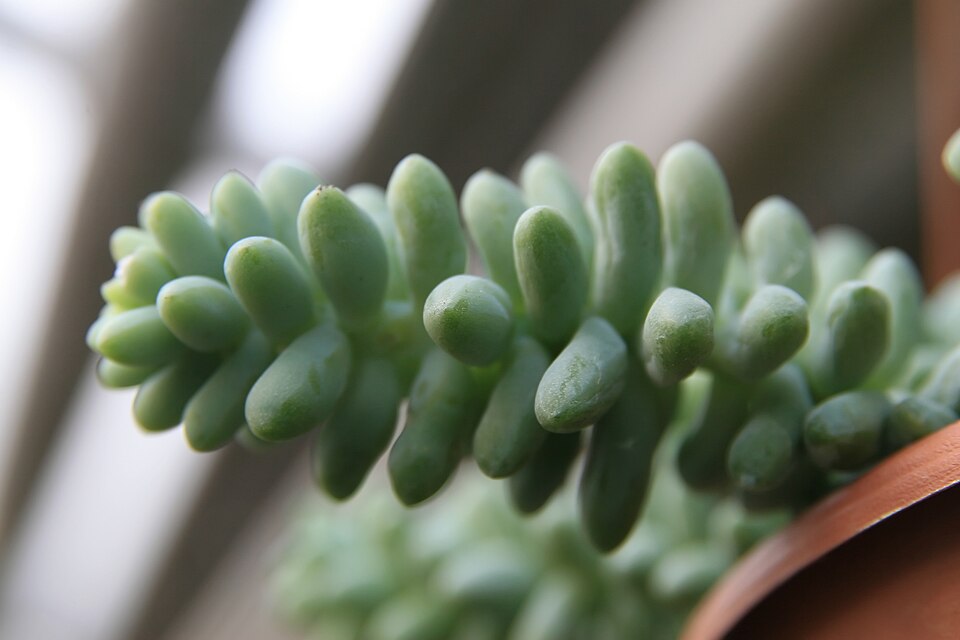
 Licensed representative photograph
Plant Guide
Snake Plant
Dracaena trifasciata
Other known names: Mother-in-law's tongue · Sansevieria trifasciata
An upright succulent-leaved species valued for its tolerance of dry indoor conditions. Low light slows growth and lengthens drying time rather than removing the need for light.
Published source-backed guide. This guide meets Lorekeeper's published source, care-completeness, safety, and identity checks. It is source-backed, not an expert-review claim.
Toxic. Reported as toxic to cats and dogs; keep out of chewing reach.
Care
- Light
- Bright indirect light is ideal; it tolerates lower light with slower growth.
- Water
- Allow most of the potting mix to dry before watering again; reduce frequency in cool or dim conditions.
- Growing medium
- A fast-draining mix in a pot with a drainage hole.
- Feeding
- Feed lightly in spring or summer if the plant is growing.
- Temperature
- 60-85 F; avoid cold, wet conditions.
- Humidity
- Normal household humidity.
- When to consider watering
- Wait for substantial drying throughout the root zone.
- Watering method
- Water deeply and drain; never leave water trapped inside a decorative cachepot.
- Repotting
- Repot when rhizomes crowd or distort the pot, using only a modest size increase.
- Pruning
- Remove damaged leaves at the base with a clean cut.
- Beginner note
- The most common beginner risk is watering again while the lower mix is still wet.
Observe the plant and growing medium before acting. A reminder is a prompt to check, not an automatic instruction to water.
Characteristics
An upright succulent-leaved species valued for its tolerance of dry indoor conditions. Low light slows growth and lengthens drying time rather than removing the need for light.
Names & botanical identity
- Accepted name
- Dracaena trifasciata
- Plant family
- Asparagaceae
- Plant group
- Succulents
- Other known names
- Mother-in-law's tongue · Sansevieria trifasciata
- Safety
- Toxic
Reported as toxic to cats and dogs; keep out of chewing reach.
Growth
- Growth habit
- A rhizomatous herb with upright, succulent leaves.
- Mature size
- 1–4 ft indoors
- Native range
- Tropical West Africa.
- Temperature
- 60-85 F; avoid cold, wet conditions.
- Humidity
- Normal household humidity.
- Difficulty
- Beginner
Propagation
Divide rhizomes for a true copy; leaf cuttings are possible but may lose variegation.
When you add a propagation to Lorekeeper, connect it to the mother plant so its history and lineage remain intact.
Problems to recognize
These links describe possible or look-alike relationships, not a diagnosis. Start with visible evidence and rule out alternatives.
- Excess moisture / root stress: The medium should dry substantially before another watering decision.
- Root rot syndrome: Succulent roots and rhizomes are vulnerable when kept cold and wet.
- Mealybugs: Protected leaf bases can conceal mealybugs; confirm insects.
- Excess light / sunburn: Unacclimated leaves may scorch after a rapid increase in sun.
History & lineage
Snake plant has long circulated under the former genus Sansevieria and is now accepted as Dracaena trifasciata. Its durable leaves helped make it a widely shared household plant.
Add this guide to My Plants to preserve acquisition notes, parent plants, propagations, photographs, and future name changes in one living record.
Keep the useful part
Save Snake Plant to your garden.
Carry this guide into a private plant record, then add your own photographs, care, journal entries, and lineage over time.
Keep exploring