 Licensed representative photograph
Plant Guide
Heartleaf Philodendron
Philodendron hederaceum
Other known names: Sweetheart plant · Philodendron scandens
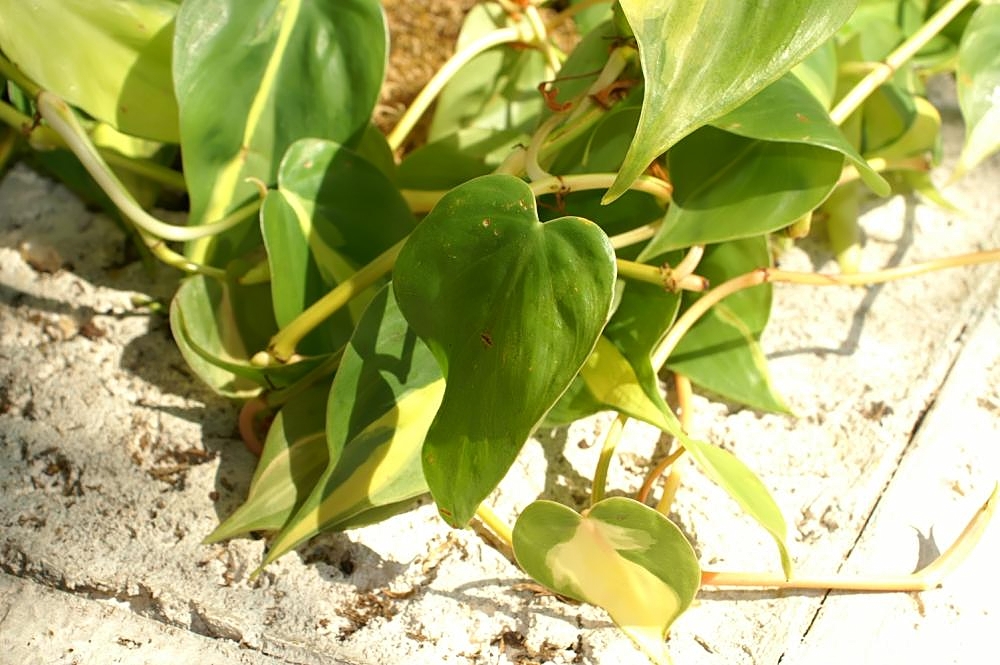
A flexible climbing vine with heart-shaped leaves. A support encourages larger foliage, while an unsupported stem trails.
Published source-backed guide. This guide meets Lorekeeper's published source, care-completeness, safety, and identity checks. It is source-backed, not an expert-review claim.
Toxic. Contains insoluble calcium oxalates; keep away from pets and children who may chew it.
Care
- Light
- Medium to bright indirect light.
- Water
- Water when the upper portion of the mix has dried and the pot has begun to lighten.
- Growing medium
- An airy aroid mix with dependable drainage.
- Feeding
- Feed at reduced strength while new leaves are forming.
- Temperature
- 65-85 F.
- Humidity
- Average to moderately high humidity.
- When to consider watering
- Check dryness in the upper root zone and the weight of the pot.
- Watering method
- Water thoroughly, drain, and avoid keeping the pot continuously wet.
- Repotting
- Repot when roots fill the container or drainage becomes unreliable.
- Pruning
- Trim above nodes and use the cut sections for propagation.
- Beginner note
- A moss pole or other support can encourage larger leaves, but trailing growth is also healthy.
Observe the plant and growing medium before acting. A reminder is a prompt to check, not an automatic instruction to water.
Characteristics
A flexible climbing vine with heart-shaped leaves. A support encourages larger foliage, while an unsupported stem trails.
Names & botanical identity
- Accepted name
- Philodendron hederaceum
- Plant family
- Araceae
- Plant group
- Philodendron
- Other known names
- Sweetheart plant · Philodendron scandens
- Safety
- Toxic
Contains insoluble calcium oxalates; keep away from pets and children who may chew it.
Growth
- Growth habit
- A climbing or trailing evergreen aroid.
- Mature size
- 4–10 ft vines indoors
- Native range
- Tropical America.
- Temperature
- 65-85 F.
- Humidity
- Average to moderately high humidity.
- Difficulty
- Beginner
Propagation
Root a cutting with at least one node in water or an airy moist medium.
When you add a propagation to Lorekeeper, connect it to the mother plant so its history and lineage remain intact.
Problems to recognize
These links describe possible or look-alike relationships, not a diagnosis. Start with visible evidence and rule out alternatives.
- Excess moisture / root stress: A poorly aerated wet mix can stress roots and slow growth.
- Thrips: Thrips can scar tender new leaves; inspect unfurling growth.
- Mealybugs: Nodes and petiole bases are useful inspection points.
- Spider mites: Mites are possible on stressed indoor plants; use magnification.
History & lineage
Heartleaf philodendron has been grown for generations as an adaptable climbing or trailing houseplant, with several older scientific and trade names still encountered.
Add this guide to My Plants to preserve acquisition notes, parent plants, propagations, photographs, and future name changes in one living record.
Keep the useful part
Save Heartleaf Philodendron to your garden.
Carry this guide into a private plant record, then add your own photographs, care, journal entries, and lineage over time.
Keep exploring