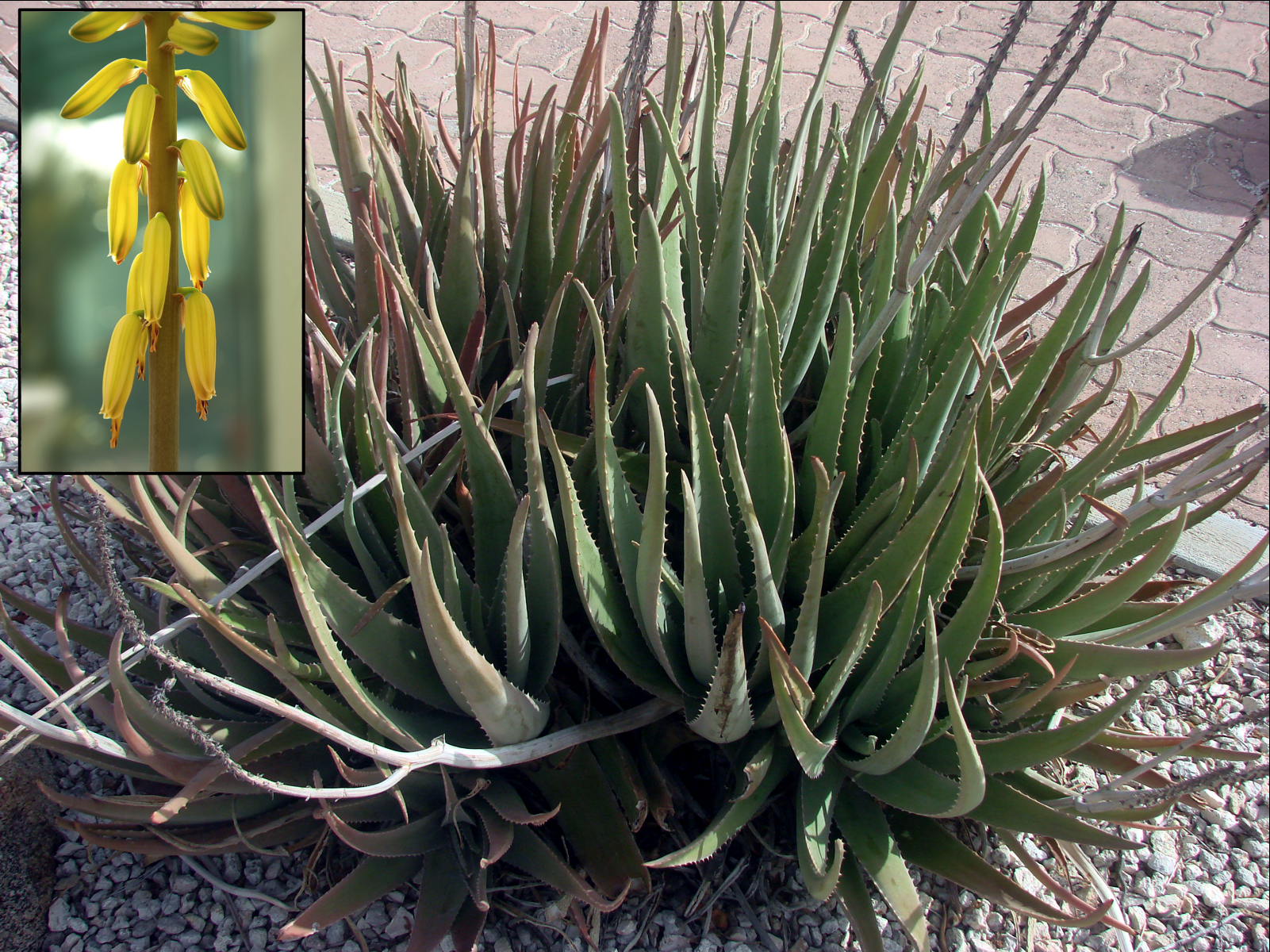
 Licensed representative photograph
Plant Guide
Ponytail Palm
Beaucarnea recurvata
Other known names: Elephant-foot Tree
A drought-tolerant caudiciform with a swollen trunk base and long arching leaves.
Published source-backed guide. This guide meets Lorekeeper's published source, care-completeness, safety, and identity checks. It is source-backed, not an expert-review claim.
Safety not yet verified. Confirm the exact identification before deciding whether this plant is safe around children or pets. Catalog note: No toxicity claim is added in this provisional batch; confirm pet questions with a trusted veterinary source.
Care
- Light
- Very bright light with acclimated sun.
- Water
- Allow substantial drying, then water completely and drain.
- Growing medium
- A gritty fast-draining mix in a stable pot.
- Feeding
- Feed sparingly during active growth.
- Temperature
- 50-85 F.
- Humidity
- Average to dry household humidity.
- When to consider watering
- Use root-zone dryness and pot weight; never water only because a date arrived.
- Watering method
- Allow substantial drying, then water completely and drain. Wet the root ball evenly and never leave drainage trapped in a cachepot.
- Repotting
- Repot only when roots, drainage, stability, or broken-down medium justify it; increase the pot size modestly.
- Pruning
- Remove damaged growth with clean tools and avoid unnecessary pruning during stress.
- Beginner note
- Treat reminders as prompts to observe. Record what you found, then complete, snooze, pause, or adjust the care item.
Observe the plant and growing medium before acting. A reminder is a prompt to check, not an automatic instruction to water.
Characteristics
A drought-tolerant caudiciform with a swollen trunk base and long arching leaves.
Names & botanical identity
- Accepted name
- Beaucarnea recurvata
- Plant family
- Asparagaceae
- Plant group
- Succulents
- Other known names
- Elephant-foot Tree
- Safety
- Safety not yet verified
Confirm the exact identification before deciding whether this plant is safe around children or pets. Catalog note: No toxicity claim is added in this provisional batch; confirm pet questions with a trusted veterinary source.
Growth
- Growth habit
- Tree-like succulent with a swollen base.
- Mature size
- 6–8 ft tall × 3–5 ft wide in a pot
- Native range
- Eastern Mexico.
- Temperature
- 50-85 F.
- Humidity
- Average to dry household humidity.
- Difficulty
- Beginner
Propagation
Usually grown from seed; offsets may be separated when rooted.
When you add a propagation to Lorekeeper, connect it to the mother plant so its history and lineage remain intact.
Problems to recognize
These links describe possible or look-alike relationships, not a diagnosis. Start with visible evidence and rule out alternatives.
- Excess moisture / root stress: The swollen base and roots are vulnerable to a continuously wet pot.
- Root rot syndrome: A soft caudex or dark roots requires immediate inspection.
- Spider mites: Long narrow leaves can conceal light stippling.
History & lineage
Despite its common name, Beaucarnea recurvata is not a true palm; it is a caudiciform relative of agaves and stores water in its swollen base.
Add this guide to My Plants to preserve acquisition notes, parent plants, propagations, photographs, and future name changes in one living record.
Keep the useful part
Save Ponytail Palm to your garden.
Carry this guide into a private plant record, then add your own photographs, care, journal entries, and lineage over time.
Keep exploring